Evening Street Food in Ajah: A Walker's Guide to Lekki's Late-Night Plates
How to eat your way through Ajah's roadside kitchens on foot, from the Lekki-Epe Expressway junction to the quieter streets behind Addo, with realistic price bands and the hours that actually matter.
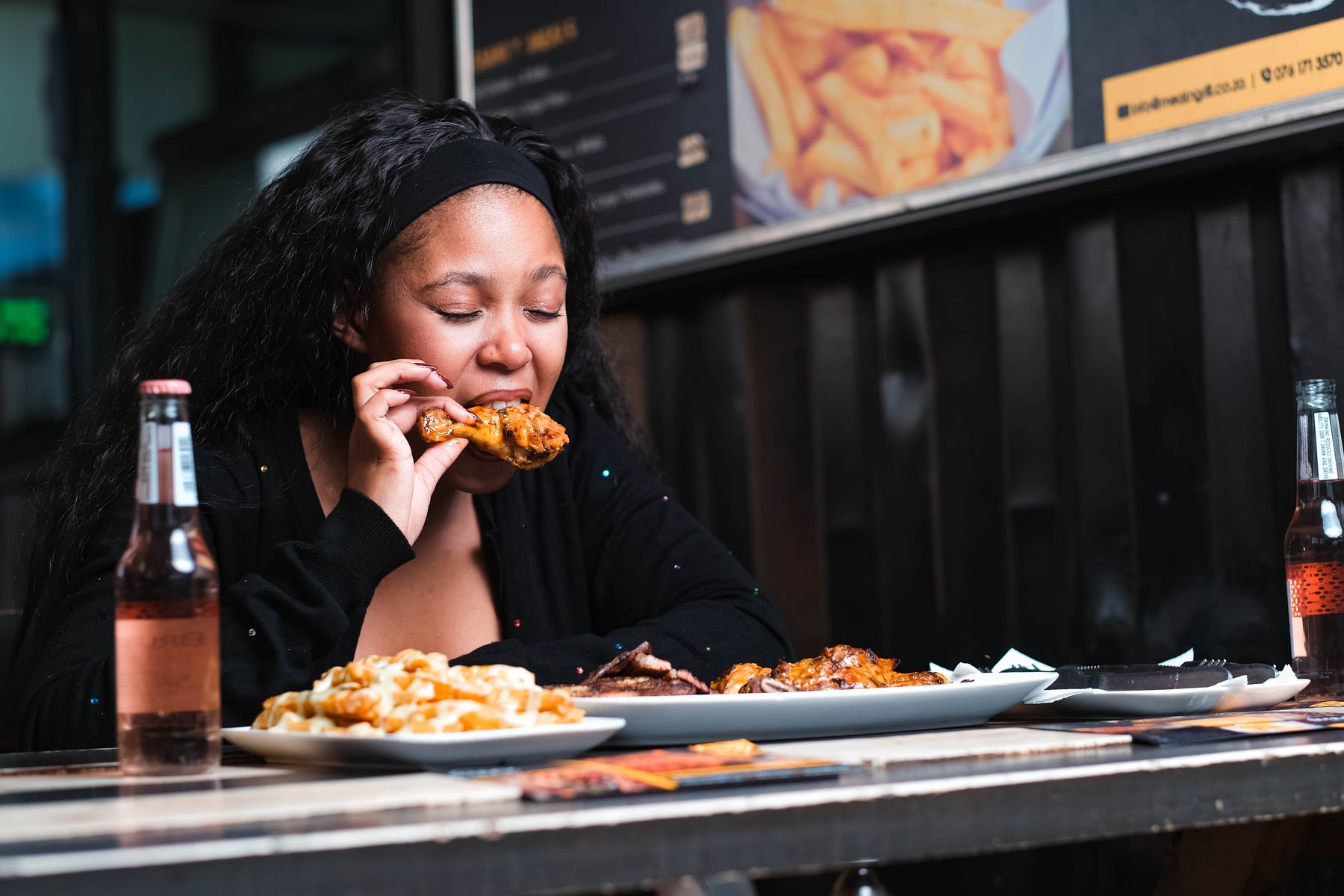
Starting at the Expressway: The Busiest Stretch
Begin where most Ajah evenings begin, at the Lekki-Epe Expressway junction near the Ajah bus stop, and walk inward rather than trying to cross the highway on foot. The strip along the service lane running back toward Addo Road is the densest concentration of evening food in the district: suya stands, grilled fish, bean-flour akara fried to order, and small kitchens serving jollof and pepper soup from about 5pm until well past 10pm. Expect to pay roughly 500 to 1,500 naira for a wrap of suya or a plate of akara with pap, and 1,500 to 3,000 naira for a fuller plate of rice or grilled fish.
Walk with small notes and expect to pay cash; mobile transfers work at the more established spots but a struggling network at peak hours is common. The busiest window is 6.30pm to 8.30pm, when offices along the expressway empty and the stands are turning over food quickly, which is exactly when you want to buy. Later, quality drops as vendors reheat. Friday and Saturday are loudest and slowest to serve; Tuesday and Wednesday evenings are calmer and the cooks have more time to talk you through what is on the grill.
Behind Addo Road: The Residential Side Streets
Once you leave the expressway, the food changes character. The streets behind Addo Road, particularly around the Thomas Estate and Badore Road turnings, are where you find the smaller operators cooking for residents rather than commuters. Here it is more likely to be a woman with a coal pot selling roasted corn and coconut, or a courtyard kitchen doing amala with ewedu and gbegiri for a fixed price around 1,200 to 2,000 naira. Portions are generous and the food is cooked in batches through the evening rather than sitting under a lamp.
This is the stretch I would build an evening around. Walk it between 6pm and 8pm, buy from two or three vendors rather than committing to one, and eat standing or on the plastic stools most stands provide. Skip anything that has clearly been out since lunchtime; if the pot is not being stirred or the grill is not smoking, keep walking. The residential streets are also darker, so bring a torch or use your phone and stay on the paved side away from open drains after heavy rain.
What to Eat, and What to Walk Past
Suya is the reliable anchor: beef or chicken skewers dusted with yaji spice, grilled over open coals and wrapped in newspaper. Ask for extra onions and tomato. Grilled tilapia and catfish, usually sold whole with pepper sauce, run about 2,500 to 4,500 naira depending on size, and are best shared. Akara and masa, the northern rice cake, are the cheap wins at 300 to 700 naira and make a good start before the heavier plates. Roasted plantain with groundnut and pepper is everywhere in the early evening and costs almost nothing.
Walk past pre-fried chicken sitting in a glass case, anything already plated and waiting, and salads sold from open bowls at a roadside stand. Seafood is worth buying only where you can see it cooked to order; Ajah is close enough to the water that fresh fish is realistic, but the difference between a good and a poor stand is whether the fish goes straight from the ice box to the grill. Drink sealed bottled water or a soft drink from a fridge, and skip the open jugs of kunu unless you know the vendor.
Making an Evening of It, and Where to Sleep
A sensible route is to start at the expressway junction around 5.30pm, eat suya and akara while the light holds, then walk back along Addo Road into the residential streets for a sit-down plate of amala or pepper soup between 7pm and 9pm. The whole loop is comfortable on foot — roughly three kilometres end to end — but the roads have no proper pavement, so wear shoes you do not mind, keep to the edge, and use a ride-hailing app rather than walking the expressway after dark. Best months are November through February, when the evenings are drier; in the rainy season from June to September, expect stands to shut early when it pours.
If you are planning the trip around this, staying in Ajah or the Lekki Phase 1 corridor puts you within a short ride of the food streets and keeps your evening flexible. Browse hotels in Lekki on the site and filter by Ajah and the expressway corridor, then check the map view: a hotel within two kilometres of the Ajah bus stop means a five-minute ride back after eating rather than a long cross-Lekki journey. Book midweek if you want the calmer version of the same evening.
Practical Notes
Vendors generally start setting up between 4pm and 5pm and peak between 6.30pm and 8.30pm. Most close by 10pm on weekdays and closer to midnight on Fridays and Saturdays. Cash is still king; keep notes under 1,000 naira for easy change. Traffic along the Lekki-Epe Expressway builds from about 4pm, so plan your walk to begin after the worst of it or use the service lanes. Rides from Lekki Phase 1 to Ajah typically take 25 to 40 minutes in the evening.
Standards vary street to street and week to week, so judge each stand on what you can see: a hot grill, a stirred pot, a queue of locals, and clean hands. Eat what is cooked in front of you, drink sealed bottles, and carry hand sanitiser. These are ordinary travel habits rather than warnings. The pleasure of an Ajah evening is its ordinariness — you are eating where people who live here eat, at prices that have not been adjusted for visitors.
Questions, answered
What time do the street food vendors in Ajah open?
Most set up between 4pm and 5pm and are busiest from 6.30pm to 8.30pm. Weekday stands often close by 10pm, while Friday and Saturday trade can run closer to midnight. Arriving before 8pm gives you the freshest food and the shortest waits.
How much should I expect to spend on an evening of street food in Ajah?
Budget roughly 3,000 to 6,000 naira per person for a full evening of grazing: about 500 to 1,500 naira for suya or akara, and 1,500 to 3,000 naira for rice, amala or pepper soup. Whole grilled fish at 2,500 to 4,500 naira is best shared between two.
Is it safe to walk around Ajah at night?
The food streets are busy and well lit by the stalls themselves until about 9pm, but there are no proper pavements and the expressway is not walkable after dark. Stay on the residential side streets and use a ride-hailing app for the return leg rather than walking the highway.
Which streets in Ajah have the best evening food?
Start at the service lane near the Ajah bus stop on the Lekki-Epe Expressway, then walk back along Addo Road into the streets around Thomas Estate and Badore Road. The expressway side is busiest and cheapest; the residential streets have better home-style cooking.
What local dishes should I try on an Ajah street food walk?
Suya with yaji spice and extra onions, akara with pap, masa rice cakes, roasted plantain with groundnut, whole grilled tilapia or catfish, and amala with ewedu and gbegiri from the courtyard kitchens. Pepper soup is a good late-evening option.
Do street food vendors in Ajah accept cards or transfers?
Cash is the norm. Bank transfers work at the more established stands but mobile networks slow down at peak hours. Carry small notes under 1,000 naira so vendors can make change, and keep a little extra for a ride home.
When is the best time of year for an evening food walk in Ajah?
November through February offers the driest evenings. The rainy season from June to September brings sudden downpours that shut stands early, so keep the walk flexible and start earlier on days with heavy cloud.
Where should I stay in Lekki for easy access to Ajah's street food?
Look for hotels in Ajah itself or along the Lekki Phase 1 corridor, ideally within two kilometres of the Ajah bus stop. That keeps the ride back after eating to five minutes. Midweek stays are calmer and better value than Friday or Saturday.
Doing good is the business: every booking through Stay Lekki funds one verified tonne of carbon removal — same room, same price, no markup.
Start Your Search