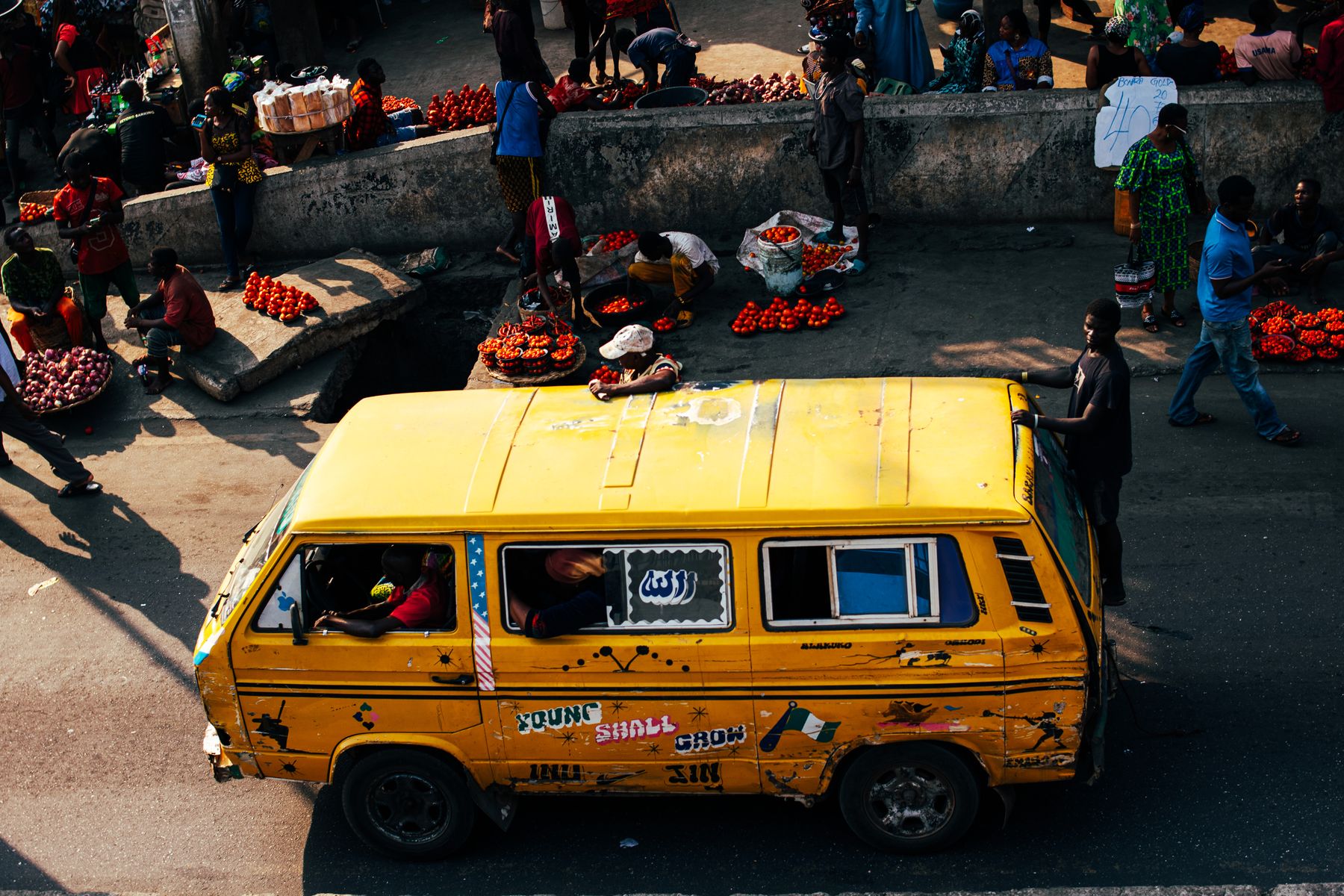
Keke and Okada: the short hops inside Lekki Phase 1 and Ikate
Lekki Phase 1 is compact enough that you rarely need a car inside it. Keke napep (tricycles) run the loop along Admiralty Way, Fola Osibo and Bisola Durosinmi-Etti, and a hop from the Admiralty Way roundabout to Lekki Phase 1 Gate or the Ikate end of Freedom Way is typically ₦300–₦500, five to ten minutes depending on traffic at the Lekki-Ikoyi Link Bridge toll. Okada are cheaper and quicker through the Fola Osibo back streets but are less comfortable in rain, and you should confirm the fare before you sit down.
From Lekki Phase 1, most visitors end up in either Ikate Elegushi or the Lekki Phase 1 Conservation area for dinner, and both are keke territory. Walking is realistic on Admiralty Way in the dry season, but the road has no real pavement past the roundabout, and the December–February harmattan dust plus March–October downpours make it unpleasant. If your hotel is on Admiralty Way or Freedom Way, plan on keke for anything past 800 metres and budget ₦2,000–₦4,000 a day for short trips.
Danfo and BRT to Victoria Island and Lagos Island
The danfo corridor that matters runs along the Lekki-Epe Expressway from Ajah and Ikate towards Obalende via Falomo, with a second feeder from Lekki Phase 1 Gate. Fares float with fuel prices, so treat any figure as a band: expect roughly ₦500–₦1,000 for Ikate to Falomo or Obalende, and 45–90 minutes depending on whether you leave before 6:30am. Return trips after 4pm can double that. Danfo fill from the front and stop anywhere; keep small notes because conductors rarely have change for ₦1,000.
BRT is the better-value option when it runs your route. The Obalende and TBS services are the useful ones from the Lekki axis, cost a fraction of a danfo, and are fixed-fare with a cowry card. The trade-off is access: you may need a keke to reach the bus stop at Ajah or Lekki Phase 1, and queues at peak are long. For a visitor staying in Lekki Phase 1 with a Victoria Island meeting, I would take a ride-hailing car out in the morning and BRT or danfo back if traffic is already heavy.
Ride-hailing, the Link Bridge and what to skip
Uber and Bolt are the default for anyone not on a tight budget. From Lekki Phase 1 to Victoria Island via the Lekki-Ikoyi Link Bridge is 15–30 minutes outside peak and 50–80 minutes in it, and the toll is added to your fare — drivers will sometimes refuse the bridge and go via Falomo, which is slower but free. Bolt is usually cheaper in Lekki; Uber has better availability late at night. Short keke-distance trips are often refused by ride-hailing drivers because the fare is too small, so keep cash for those.
Skip the idea of using one danfo to cross the whole Lekki-Epe Expressway in peak season; you will change at Ajah or Sandgbe and lose an hour. Also skip walking the Lekki-Ikoyi Link Bridge approaches — there is no pedestrian path and it is genuinely unsafe. February to April is the most comfortable window for moving around on foot or by keke, before the heavy rains from June. Book your hotel on Admiralty Way, Freedom Way or in Ikate if you want keke and ride-hailing to work for you; anything deeper into Ajah adds 20–40 minutes to every Victoria Island trip.
Which option to book, by trip type
If your trip is meetings on Victoria Island or Ikoyi, stay in Lekki Phase 1 and budget for ride-hailing: roughly ₦4,000–₦9,000 each way depending on surge and the bridge toll, versus a long danfo-plus-BRT chain that costs under ₦1,500 but eats 90 minutes. If your trip is food, beaches and nightlife around Ikate and Elegushi, keke and short Bolts cover almost everything and you can leave the car question alone. If you are heading to Lekki Conservation Centre or further east towards Ajah, a car or a full-day Bolt is the honest answer.
Groups of three or four should compare a Bolt against two kekes — Bolt usually wins on comfort once you split it. Solo travellers watching spend should use keke for anything under 3km and BRT for the Victoria Island run. Whichever you choose, keep ₦5,000–₦10,000 in small notes, charge your phone before you leave the hotel, and screenshot your destination — many keke riders know landmarks, not street names.
Questions, answered
How much is a keke from Lekki Phase 1 to Ikate?
Expect roughly ₦300–₦500 for the short hop between the Admiralty Way roundabout and the Ikate end of Freedom Way, taking five to ten minutes outside peak. Fares rise in rain and late at night, so agree the price before you board.
Is there a BRT from Lekki to Victoria Island?
Yes, BRT services run from the Lekki axis towards Obalende and TBS, with fixed fares paid by cowry card. You may need a keke to reach the stop, and peak-hour queues are long, but it is far cheaper than ride-hailing.
Do I need a car to stay in Lekki?
No, if you stay in Lekki Phase 1 or Ikate. Keke, danfo and Bolt cover those areas well. A car or full-day Bolt makes sense only if you are heading to Lekki Conservation Centre or deeper into Ajah.
Doing good is the business: every booking through Stay Lekki funds one verified tonne of carbon removal — same room, same price, no markup.
Start Your Search