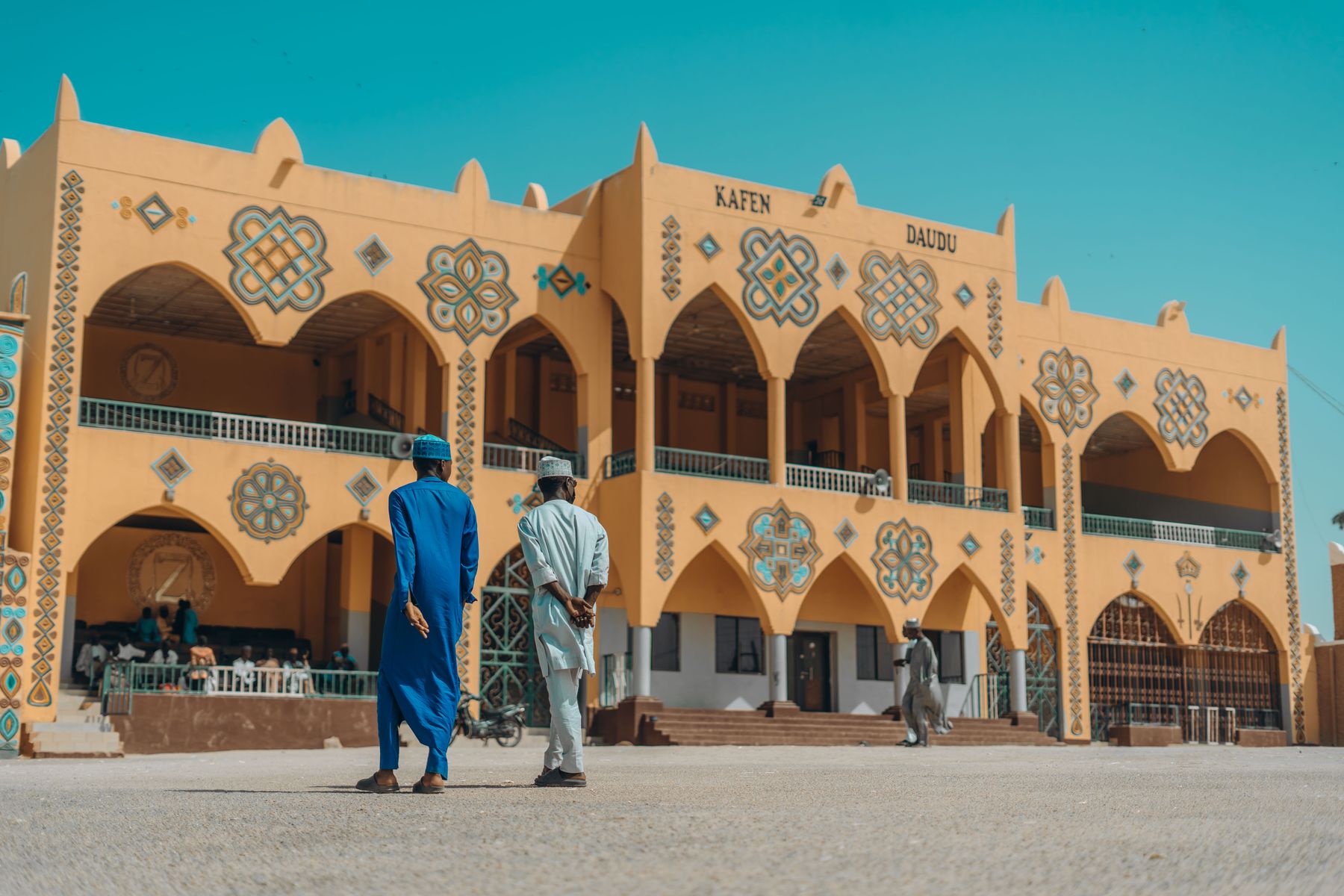
Is Lekki Nigeria safe?
Yes, Lekki is generally safe for visitors, but safety varies by area and time of day. The Lekki Peninsula, stretching from Lekki Phase 1 eastward to Ajah and beyond, is a mix of affluent estates, busy commercial roads, and developing neighbourhoods. Most visits are trouble-free, especially in gated estates and along the Lekki-Epe Expressway during daylight hours. Petty crime like pickpocketing can occur in crowded markets or transport hubs, so keep valuables secure and avoid displaying expensive items. Violent crime is rare in tourist areas, but exercise caution after dark and in isolated spots. Always use reputable transport and stay in well-reviewed accommodation.
When planning your trip, consider the season: the dry months from November to March are best for outdoor activities, while the rainy season (April to October) brings heavy downpours and flooding in some areas, which can affect travel. The neighbourhoods of Lekki Phase 1, Ikate, and Chevron Drive are popular with expatriates and have a reputation for safety, with private security and gated communities. More developing areas further east, such as Ajah, may have less infrastructure and require extra vigilance. Regardless of where you stay, keep abreast of local advice and avoid political gatherings or protests.
Getting around Lekki safely
Transport in Lekki is predominantly by road. The Lekki-Epe Expressway is the main artery, but traffic can be heavy, especially during rush hours (7-10am and 4-8pm). Ride-hailing services like Bolt and Uber are widely used and considered safe; ensure you match the driver and car details before getting in. Traditional taxis are also available but negotiate the fare beforehand. Keke napep (tricycles) are common for short trips but can be risky in busy traffic; avoid them at night. If you drive yourself, be aware that driving standards can be erratic and fuel shortages occasionally cause long queues at filling stations.
For getting to Lekki from Murtala Muhammed International Airport, allow 1-2 hours depending on traffic; the airport is about 30-40 km away. The Lekki-Ikoyi Link Bridge is a toll bridge that connects Lekki Phase 1 to Ikoyi, offering a faster route to Victoria Island and the airport. It operates cashless tolls, so ensure your vehicle has the required electronic tag. While walking is possible in residential estates, main roads lack pavements and are not ideal for pedestrians. Always use designated crossings and be cautious. For day trips, consider hiring a car with a driver through your hotel for convenience and safety.
Where to stay and what to see
Accommodation in Lekki ranges from budget guesthouses to luxury hotels. Lekki Phase 1 is popular for its proximity to restaurants, bars, and the Lekki-Ikoyi Link Bridge, and has many short-let apartments and hotels. Ikate and Chevron Drive are quieter, with gated estates and international schools. Further east, Ajah offers more affordable options but is farther from the main attractions. For beach lovers, the Lekki Conservation Centre and Labadi Beach (actually in Accra, not Lekki—skip that) – better: Landmark Beach and Oniru Beach are nearby, but note that Landmark Beach is on Victoria Island. In Lekki itself, Lekki Leisure Lake and the Lekki Conservation Centre are worth visiting. Book hotels with good security and recent reviews.
Top attractions include the Lekki Conservation Centre, known for its canopy walkway, and the Lekki Market for souvenirs. Nike Art Gallery in Lekki Phase 1 showcases Nigerian art. For dining, the Lekki Phase 1 area has a variety of restaurants offering local and international cuisine. If you're looking for nightlife, clubs and bars are concentrated in Lekki Phase 1 and Victoria Island. Always check opening hours and entry requirements, as some places may close unexpectedly. For a beach day, consider a day trip to Tarkwa Bay or Ilashe, but arrange transport through a reputable operator. I would book a hotel in Lekki Phase 1 for easy access to amenities and a safer environment.
Practical safety tips for Lekki
Keep your belongings secure, especially in crowded areas like markets and bus stops. Avoid walking alone at night, particularly on poorly lit streets. Use ATMs inside banks or malls during daylight hours, and be mindful of your surroundings when withdrawing cash. Carry a copy of your passport and keep the original in a safe. Health facilities in Lekki include private hospitals like Lagoon Hospitals and Reddington Hospital, which are reputable but can be expensive; travel insurance is recommended. The local emergency number is 112, but response times may vary. For medical emergencies, private hospitals are your best bet.
Respect local customs: dress modestly when not at the beach, and ask before taking photos of people. Nigerian laws against homosexuality are strict, and public displays of affection between same-sex couples can lead to arrest. Avoid political discussions and large gatherings. When using public transport, agree on the fare before departure. For extra peace of mind, choose accommodation with 24-hour security and secure parking. Many hotels offer airport transfers; inquire when booking. Finally, stay informed about local news and any travel advisories, but don't let fear overshadow your visit—Lekki has a lot to offer.
Related articles
Questions, answered
Is Lekki safe for tourists?
Yes, Lekki is generally safe for tourists, especially in areas like Lekki Phase 1 and Ikate. Petty crime can occur, so secure valuables and avoid isolated areas at night. Use reputable transport and stay in well-reviewed hotels. The main risk is traffic accidents, so exercise caution on the roads.
What is the best area to stay in Lekki for safety?
Lekki Phase 1 is considered one of the safest areas, with many gated estates and hotels. Ikate and Chevron Drive are also popular with expatriates and have good security. Avoid less developed areas further east if you're concerned about safety, as infrastructure and policing may be less robust.
How do I get from Lagos airport to Lekki safely?
Pre-book a hotel transfer or use a reputable ride-hailing service like Uber or Bolt. The drive takes 1-2 hours depending on traffic. Avoid hailing taxis on the street; instead, use the official taxi ranks or apps. Ensure the driver knows the route and agree on the fare beforehand if not using an app.
Is it safe to walk around Lekki at night?
It is not advisable to walk alone at night in most parts of Lekki due to poorly lit streets and potential for crime. Use taxis or ride-hailing services for evening outings. If you must walk, stay in well-lit areas and avoid carrying valuables. Gated estates are safer for walking after dark.
What should I avoid in Lekki?
Avoid isolated beaches and poorly lit streets after dark. Do not display expensive jewelry or electronics openly. Steer clear of political gatherings and protests. Be cautious of unsolicited offers from strangers. Avoid using unofficial taxis and always verify ride-hailing details before getting in.
Are there hospitals in Lekki?
Yes, there are private hospitals such as Lagoon Hospitals and Reddington Hospital in Lekki and nearby Victoria Island. They are reputable but can be costly, so travel insurance is recommended. For minor issues, pharmacies are available in malls and along major roads. Emergency response may be slow, so for serious incidents, go directly to a hospital.
What is the best time to visit Lekki?
The dry season from November to March is ideal, with less rain and lower humidity. However, it's also the busiest time, so book accommodation early. The rainy season (April-October) brings heavy downpours and possible flooding, but fewer crowds. Temperatures remain warm year-round, so pack light clothing and rain gear if visiting during the wet season.
Do I need a car in Lekki?
Having a car with a driver is convenient, especially for getting around the sprawling peninsula, but not essential if you stay in Lekki Phase 1 where amenities are within walking distance. Ride-hailing apps are readily available and affordable. For exploring farther afield, hiring a car for the day is a good option. Self-driving is not recommended due to traffic and driving habits.
Doing good is the business: every booking through Stay Lekki funds one verified tonne of carbon removal — same room, same price, no markup.
Start Your Search