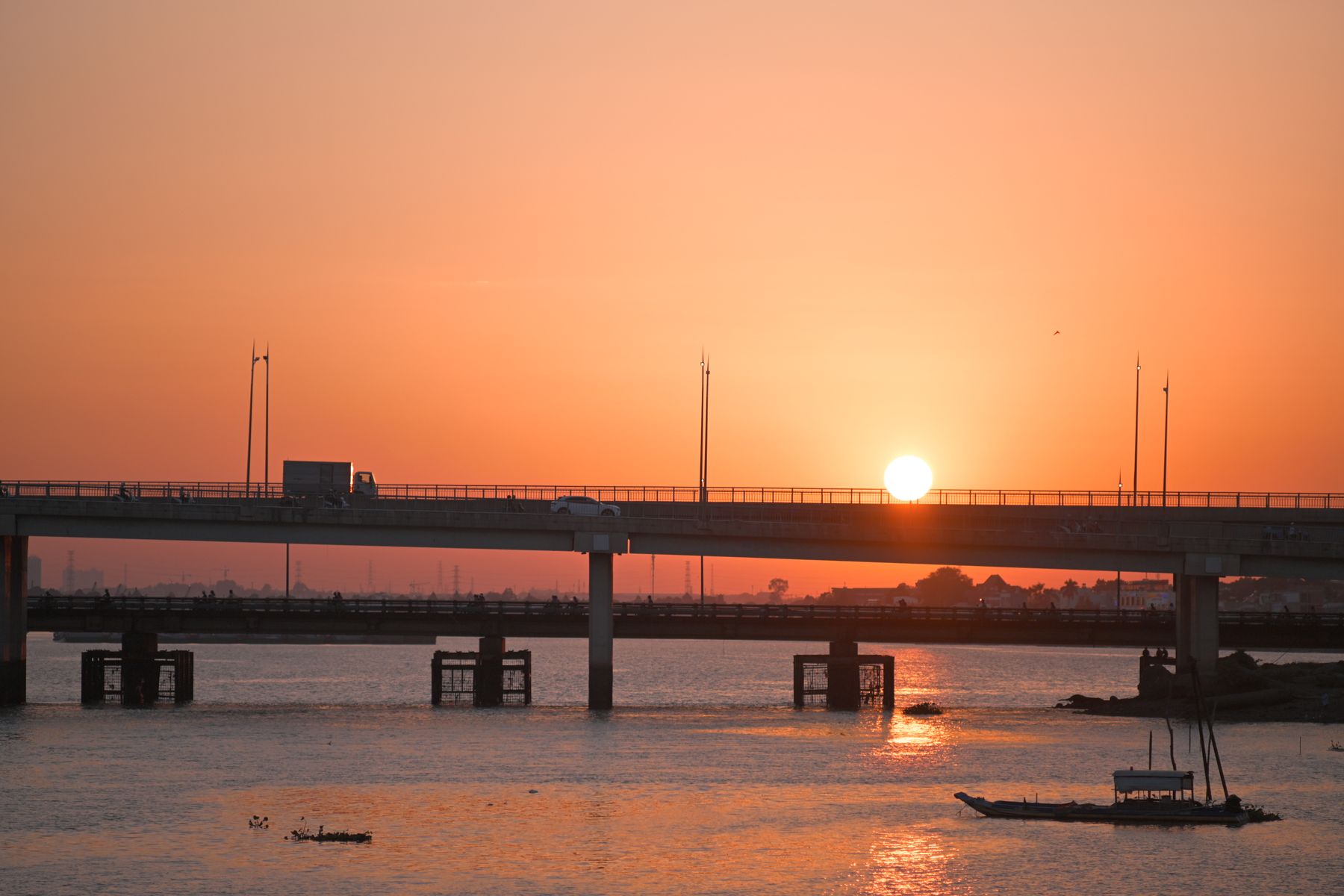
Reading the Lekki rain clock
Between June and September, Lekki Phase 2 usually takes its heaviest rain in the early morning or mid-afternoon, and the showers tend to pass in 40 to 90 minutes rather than settling in for the day. That pattern suits a short outing: leave your hotel around 1pm, eat while it pours, and walk once the gutters have drained. The roads here sit low and flat, so the first 30 minutes after a downpour are the worst for puddles, not the rain itself.
The practical marker is the drainage channel along Admiralty Way and the service lanes behind Fola Osibo and Bisola Durosinmi-Etti. If water is still pooled across the road at the Fola Osibo junction, give it another half hour. Estate roads inside Northern Foreshore and Pinnock Beach Estate drain better than the commercial stretches, which is why a short loop on foot works well once the clouds lift. October and November are the sweet spot: still green, far fewer downpours.
Bring a light rain jacket rather than an umbrella; the wind on the open stretches near the water turns umbrellas inside out. Slip-on shoes beat trainers, because you will cross shallow water at some point. Cash in small naira notes helps for suya stands and car parks, and a charged phone covers the ride-hailing you will almost certainly need at the end. None of this requires a packed bag — a hotel in Lekki Phase 2 puts you ten minutes from most of it.
Where to spend the dry window
Start on Admiralty Way, which runs through the middle of Phase 2 and holds most of the cafes and small restaurants. A coffee and a plate of small chops will typically run you a modest mid-range band, and the covered terraces mean you can sit through a shower without moving. From there, walk the quieter grid of Fola Osibo and Bisola Durosinmi-Etti roads, where the streets are shaded and largely residential, then loop back toward the Lekki Phase 2 waterfront for the breeze in the late afternoon.
If you want a longer stretch of green, the Lekki Conservation Centre sits a short drive east along the Lekki-Epe Expressway, roughly 15 to 25 minutes depending on traffic at the toll gate end. Canopy walkway aside, it is a genuine option for the hour after rain, when the air cools and the monkeys come out. I would skip the beaches on a rainy afternoon: the sand is churned and the access roads off the expressway hold water. Save those for a dry morning.
For families, the covered seating areas around the Admiralty Way roundabout are easier than anywhere requiring a walk across open ground. For couples, the waterfront side is calmer once the offices empty. Solo travellers do best on the main roads after dark rather than the interior estate streets.
Getting around and where to sleep
Lekki Phase 2 is compact but not walkable end to end in the rain. Ride-hailing across the phase is usually a short, cheap hop; the longer runs to Ikate, Lekki Phase 1 or Victoria Island climb quickly because of the Lekki-Ikoyi Link Bridge toll and the Admiralty Way bottleneck. If you are coming from Murtala Muhammed Airport, budget 45 to 90 minutes depending on the hour; the Third Mainland Bridge route is unpredictable from 4pm.
Hotels in Lekki Phase 2 cluster along Admiralty Way and the Fola Osibo side, with a further spread of smaller guesthouses toward Northern Foreshore. Booking within the phase rather than Ikate or Ajah saves you the expressway crawl at the end of the evening. Look for a covered car park and a room away from the generator side of the building, which matters more than star rating here. On our own numbers, hotel views convert to checkout on roughly one in five visits, so compare two or three options before you commit.
If you want nightlife, Lekki Phase 1 is the short hop; if you want quiet, stay in Phase 2 and travel out. I would book Phase 2 for a two-night stay and treat Phase 1 as an evening trip.
What to skip, and when to go
Skip the open-air beach clubs on a rain-forecast afternoon, skip anywhere that requires wading across an unpaved service lane, and skip trying to reach Ajah or Sangotedo between 5pm and 7pm. Also skip the assumption that a mall solves a wet afternoon: the queues at the Lekki toll gate end can eat an hour. Better to stay within Phase 2, where your worst case is a 15-minute wait under an awning.
Best months for a planned afternoon out are November through February, when rain is rare and the evenings are pleasant. March and April bring heavier, shorter storms; July and September are the wettest. If you are here in the wet season, morning is genuinely the safer bet for anything outdoors, with the afternoon reserved for eating and indoor stops. Book a Lekki Phase 2 hotel with free cancellation in the wet months, so a washed-out day costs you nothing but a rearranged plan.
Questions, answered
How long does rain usually last in Lekki Phase 2?
In the wet season, most showers run 40 to 90 minutes, often in the early morning or mid-afternoon. Plan to be indoors for that window and head out once standing water on Admiralty Way and the Fola Osibo junction has drained, usually within half an hour.
Is Lekki Phase 2 walkable in the rain?
Partly. Admiralty Way and the Fola Osibo and Bisola Durosinmi-Etti grid are walkable once water clears, but the phase is too spread out to cover end to end. Use ride-hailing for longer hops and expect to cross shallow puddles at junctions.
Which months are best for a Lekki afternoon out?
November to February is the driest and most reliable. March and April bring short, heavy storms; July and September are wettest. October and November are a good middle ground, still green with far fewer downpours than mid-year.
How long does it take to reach Lekki Phase 2 from the airport?
Allow 45 to 90 minutes from Murtala Muhammed Airport depending on traffic. The Third Mainland Bridge and Lekki toll gate sections are the unpredictable parts, especially from 4pm onward on weekdays.
Should I stay in Lekki Phase 2 or Lekki Phase 1?
Phase 2 suits a quieter stay, with cafes along Admiralty Way and easy access to the waterfront. Phase 1 has more nightlife and restaurants. Staying in Phase 2 and travelling to Phase 1 for an evening avoids the expressway crawl at the end of the night.
Is the Lekki Conservation Centre worth it after rain?
Yes, if you want green space. It is roughly 15 to 25 minutes east along the Lekki-Epe Expressway. The air cools after a shower and wildlife is more active, though paths can be slippery, so wear shoes with grip.
What should I pack for a wet-season afternoon in Lekki?
A light rain jacket rather than an umbrella, slip-on shoes, small naira notes for suya stands and car parks, and a charged phone for ride-hailing. A dry bag or plastic pouch for documents is useful when crossing flooded junctions.
What should I skip on a rainy afternoon in Lekki?
Open-air beach clubs and any route requiring unpaved service lanes. Avoid travelling to Ajah or Sangotedo between 5pm and 7pm. Staying within Phase 2 keeps your worst case to a short wait under cover.
Doing good is the business: every booking through Stay Lekki funds one verified tonne of carbon removal — same room, same price, no markup.
Start Your Search