La Campagne Tropicana Beach Resort
A rare corner of Nigeria where a freshwater lake meets the Atlantic — canoes, horses and a sprawl of thatched cottages in the palms.
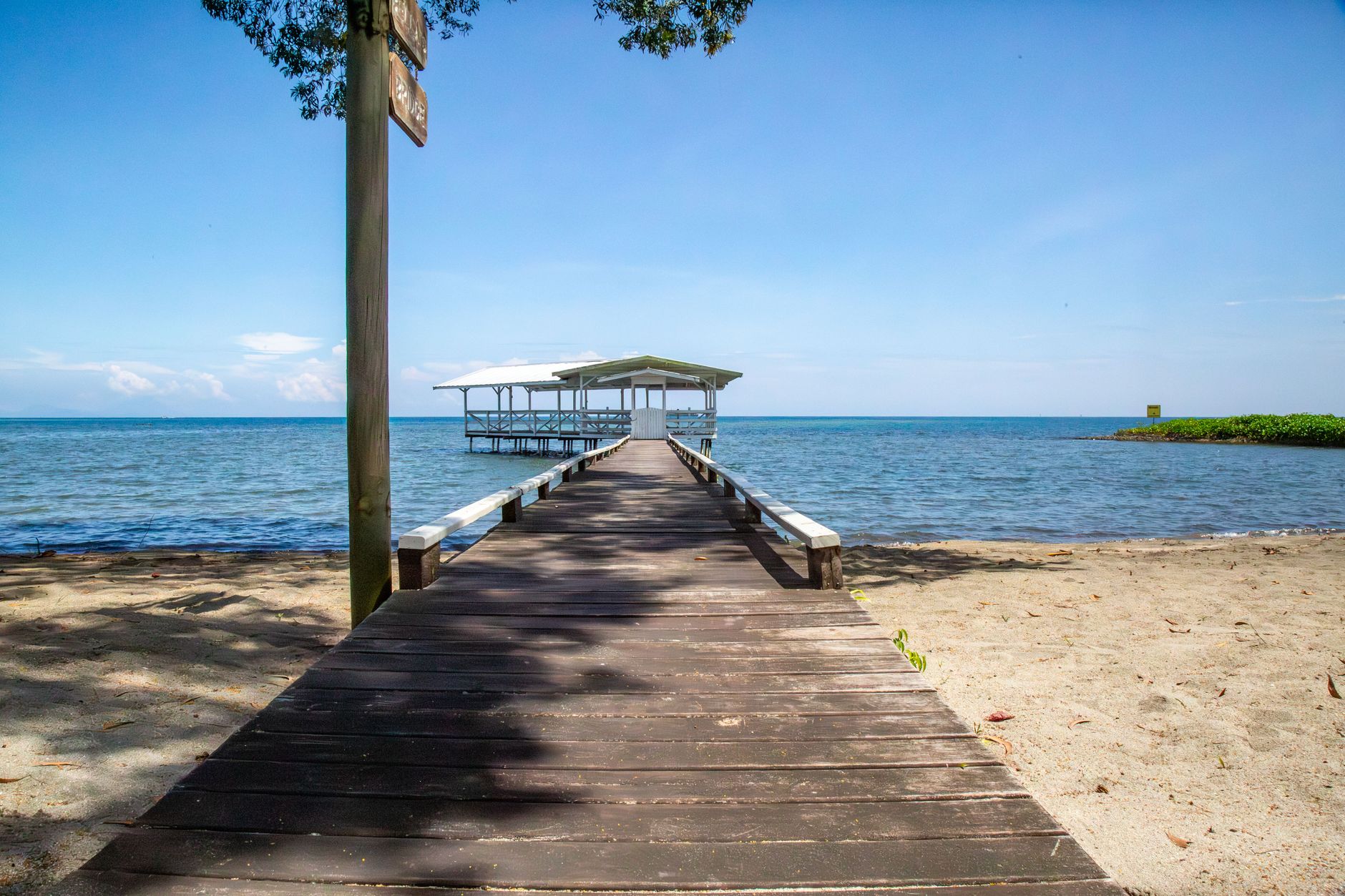
La Campagne Tropicana is the most ambitious beach resort on the Lagos coast — 65 hectares of coconut plantation, freshwater creek and ocean beach carved into a single, deliberately old-Africa aesthetic. Every building is thatched, every walkway sand or timber, and the owners have gone to some lengths to keep the phone signal patchy on purpose. It sits an hour and a half east of Lekki Phase 1 and functions equally well as a full-day escape or an overnight retreat.
A day pass gets you the full grounds: the freshwater lake for pedal-boat and canoe rides, the coconut grove trails, the ocean beach with its long sand and dangerous surf, the horseback trail rides, the archery range, the massage huts and the buffet lunch. The 'traditional village' section leans touristy but the accommodation huts, spread among the palms, are genuinely lovely. Meals are Nigerian and Continental at long communal tables in a thatched dining hall. Wi-Fi is patchy — that is part of the point.
Book online at least 3 days ahead via the La Campagne Tropicana website; day passes are capped. Bring cash for the boat and horse extras, and closed shoes for the coconut trail. The drive is the hardest part — leave Lekki by 08:00 or you will lose 90 minutes to traffic. Combine into an overnight for the real experience, especially if you want the bonfire dinner. Nearby: Eleko Beach on the way back.
The drive east is the whole logistical problem. From Lekki Phase 1 you join the Lekki-Epe Expressway at the Admiralty toll plaza, then run through Ajah, Sangotedo, Awoyaya, Bogije, Lakowe and Eleko before reaching Ikegun Junction — roughly 60 km, 90 minutes on clear road and well over two hours if you leave after 09:00. From Ikegun a rutted sand track runs about 4 km south to the gate; the resort shuttle collects guests who book it in advance, and it is worth requesting even on a day pass. Without a car, take a danfo from Ajah park signed for Akodo or Epe, ask to be dropped at Ikegun for around $2, then an okada or ride-hail for the last stretch at $3-5. A ride-hail the whole way from Lekki Phase 1 runs $40-60 each way, which is why four people in one car is the sensible arrangement. Parking inside the gate is free and unpaved.
The gate price of $25 an adult and $15 a child under 12 buys the grounds and the buffet lunch — anything with a motor, a saddle or a paddle is charged separately at the activity desk. Carry cash: card readers this far east are unreliable and the nearest dependable ATM is back at Awoyaya, about 40 minutes up the expressway. Budget $20-30 a head for a couple of extras and a massage hut, more if children want repeat horse rides. Overnight huts start near $180 a night, and that is where the maths tilts: the bonfire dinner, the 06:00 beach and the emptiness after the day-trippers leave are what you are actually paying for. Add fuel, toll and the sand track and a day trip for two lands near $110-130 all in. Skip the souvenir stalls by reception; the carvings are priced for captive visitors.
Gates open at 08:00 and the first two hours are the best of the day — flat lake water, cool sand, fresh horses. Take the 09:30 canoe slot, ride before 11:00, and eat either at 12:30 or after 14:00, because the buffet queue peaks around 13:00 once every day-pass car has arrived. Afternoons bring the sea breeze and a harder Atlantic; by 18:30 the light goes, the activity desks wind down and the day gate shuts at 20:00. Seasonally, November to March is the window: dry, breezy, access track firm. Harmattan in December and January hazes the horizon but cools the nights. June and July are grim — heavy rain, cancelled water activities, the last 4 km turned to mud. Avoid December 24 to January 2, Easter Monday and the Eid weekends unless you booked weeks ahead. A Tuesday-to-Thursday visit in February is this place at its best.
It suits families above all: the freshwater lake is calm and shallow at the edges, the child pass is $15, and horses, archery and the coconut grove keep 8-to-14-year-olds occupied without screens. Teenagers manage fine on the beach and the boats but will notice the deliberately weak signal within the hour, so warn them in the car. Wheelchair users should think hard — there is essentially no paved route, everything is soft sand or timber decking, and hut bathrooms have step-up thresholds. Nobody should attempt this on a rainy afternoon, since almost every activity is open-air and the access track punishes low sedans once wet. And it is not a stop-off: with 4 km of track at each end, there is no version that works in a one-hour gap or as a detour towards Epe. For beach bars and a two-hour commitment, Eleko Beach or Jara Beach Resort serve better.
Nothing else is within walking distance. Inside the grounds, reception to the ocean gate is a five to eight minute walk through the palms, and that is the extent of the pedestrian day. Fold the trip into the expressway instead: Eleko Beach lies about 10 minutes west of Ikegun Junction and is the natural stop on the way home, cheap and rough-edged where this resort is manicured. Lakowe Lakes Golf & Country Estate is roughly 30 minutes back towards Lekki if anyone in the car plays. Lufasi Nature Park at Abijo, about 45 minutes back, is the better break if children are flagging. Epe town and its fish market sit around 45 minutes northeast for grilled catfish. If you would rather not drive home in the dark, Chaka Resort and Honeyland Beach Resort are both on the Ibeju-Lekki stretch and cheaper than an overnight hut here.
The oversold parts deserve naming. The 'traditional village' and its scheduled performances are staged for cameras and fill twenty minutes, not an afternoon. The ocean beach is beautiful and genuinely unsafe — strong rip currents, a steep shore break and no lifeguard cover worth trusting; swim in the lake or the pool and let the Atlantic stay scenery. The buffet is competent Nigerian and Continental cooking that repeats itself by the second dinner, so an overnight is about the setting, not the food. Huts are charming rather than slick: insects at dusk, plumbing that has taken a decade of salt air, generator noise when the grid drops. Service runs on resort time, not hotel time. Day visitors also get the thinnest version of the place, because most of what people rave about happens between 18:00 and 08:00. Decide on that before paying twice for transport.
Hours & entry
Daily 8:00-20:00 · Overnight stays check-in from 14:00
What to see
{'what': 'Canoe across the freshwater lake to the ocean', 'where': 'Boat jetty behind the main reception thatch'}
{'what': 'Horseback ride through the coconut plantation', 'where': 'Stables at the south end, past the archery range'}
{'what': 'Bonfire dinner on the sand', 'where': 'Beach bonfire pit, 100 m west of the ocean gate (overnight guests)'}
Tips from the ground
Book the day pass online — walk-ups are turned away when the cap is hit
Take the earliest canoe slot (09:30) before the wind picks up
Bring insect repellent for dusk in the coconut grove
Questions, answered
How much is a day pass?
$25 per adult, $15 per child under 12. Includes buffet lunch and grounds access. Boats and horses cost extra. Under-3s go free with a paying adult. Bring cash — card readers this far east are unreliable and the nearest dependable ATM is roughly 40 minutes back up the expressway at Awoyaya. Budget $20-30 a head for boat hire, a horse ride and a massage hut. Overnight huts start near $180 a night. The hidden cost is transport: a ride-hail from Lekki Phase 1 runs $40-60 each way.
Are there free entry hours?
No free hours. Under-3s enter free with a paying adult. The rate does not change between weekdays and weekends, and there is no student, resident or group discount at the gate. The only meaningful saving is the overnight package, which bundles meals with the hut and spares you a second round of transport. Children pay $15 up to age 12 and get identical access to the lake, the grove and the beach; boats, horses and archery are billed separately whatever your age.
How long should I plan?
A full day minimum. Overnight (from $180 a night) unlocks the bonfire and the empty morning beach. Realistically that means 90 minutes of driving each way, two hours on the lake and in the boats, an hour for horses and archery, an hour over the buffet and two hours doing nothing under the palms. Arrive by 10:00 and leave around 18:00 and you will have used the place properly. Under five hours on the ground makes the drive absurd.
When is it closed?
Open daily. Day-visitor gate closes at 20:00. There is no annual shutdown and no weekly closing day, but weather closes what the timetable does not: canoes, pedal boats and horse rides stop when wind or rain gets up, which in June and July is often. Activity desks wind down before dark, so plan the last ride for about 17:30. Day visitors should be back on the expressway by 18:00 — the 4 km sand track and the unlit run to Ikegun are no fun after nightfall.
Do I need to book?
Yes — day passes and rooms fill on weekends and holidays. Book 3-7 days ahead via lacampagnetropicana.com. For December 24 to January 2, Easter Monday and the Eid weekends, book two to three weeks out; the day-pass cap is real and walk-ups get turned back at Ikegun. When you book, confirm the shuttle pick-up and ask for the 09:30 canoe slot in writing, since the activity desk allocates by list rather than by arrival. Screenshot the confirmation — signal on site is poor.
What is the nearest stop?
Ikegun Junction on Lekki-Epe Expressway. Resort shuttle collects pre-booked guests; otherwise ride-share the last 4 km. No BRT runs beyond Ajah. From Ajah park, take a danfo signed for Akodo or Epe and ask for Ikegun, about $2 for the hour-plus run, then an okada or ride-hail for the sandy final stretch at $3-5. Returning is the harder half: buses thin out after 18:00 and ride-hail drivers rarely accept a pick-up out here, so arrange the shuttle or keep a driver's number.
Doing good is the business: every booking through Stay Lekki funds one verified tonne of carbon removal — same room, same price, no markup.
Start Your Search