Lekki on a Budget: Where to Stay, Eat and Move Without Overspending
How to plan a Lekki trip around its real transport corridors, food streets and beach access points — and which areas give the best value for a booked stay.
Choosing Where to Sleep in Lekki
Lekki is long, not round. The Lekki-Epe Expressway runs from the Lekki Toll Gate at Ikoyi end all the way past Ajah and Awoyaya, and the Lekki-Ikoyi Link Bridge gives a second, tolled route north. Where you book determines your daily transport spend more than the room rate does. A guesthouse off Admiralty Way in Lekki Phase 1 puts you near offices, banks and restaurants, but rooms there sit at the top of the local range. Cheaper stock clusters around Ikota, Ogombo and the Awoyaya end, where mid-range rooms are easier to find and parking is usually free.
If your trip is mostly beach and relaxation, look at Okun-Ajah and Okun Mopo, the small settlements off the Lekki-Epe Expressway near the Lagos Business School turn-off. Rooms are simpler and rates lower, and you are minutes from the quieter stretches of the Atlantic shoreline. The trade-off is real: a taxi into Lekki Phase 1 can take anywhere from twenty-five minutes to over an hour depending on what the expressway is doing. I would book the cheaper room and budget the difference for transport rather than paying a premium to be central.
Getting Around Without Burning Naira
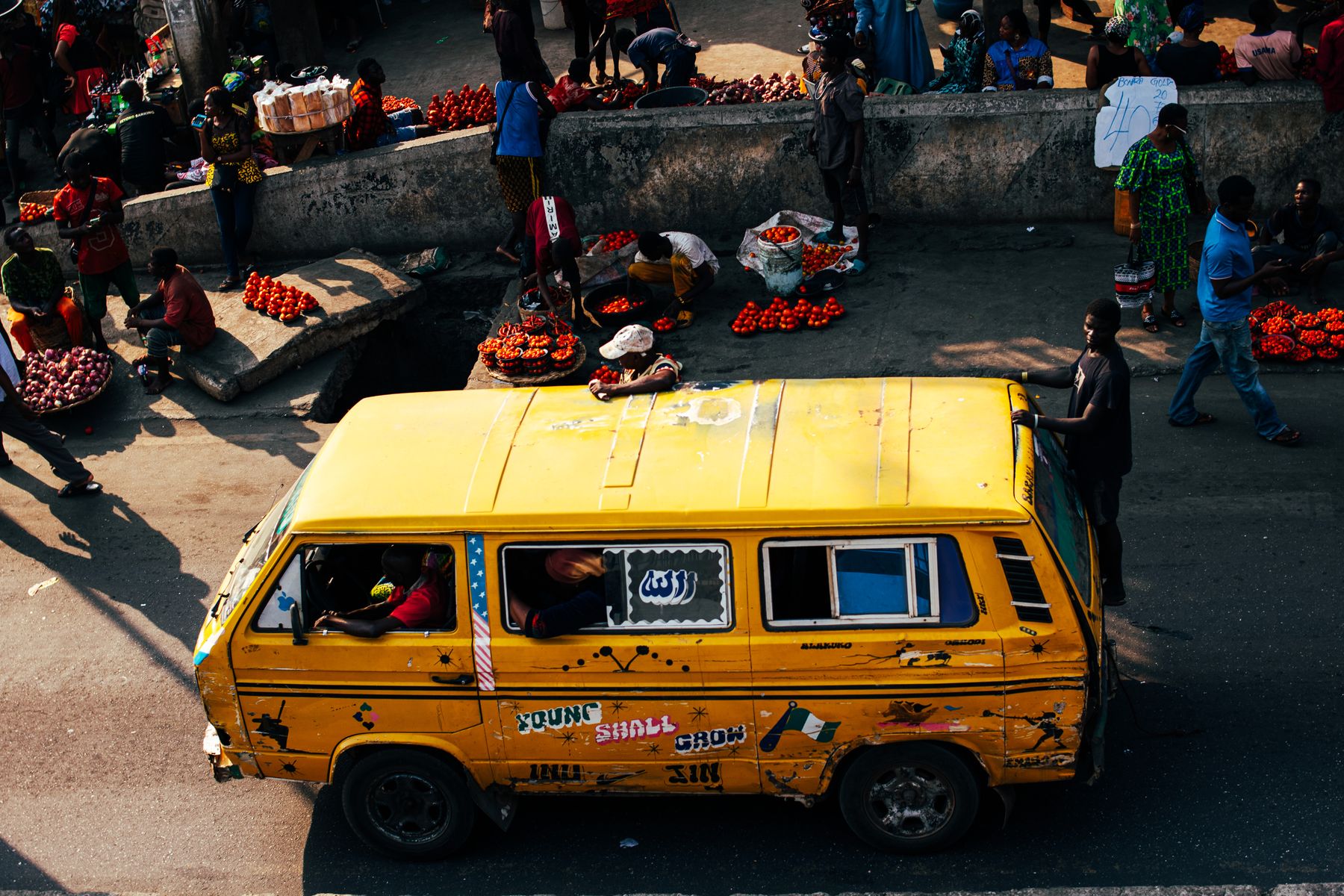
Keke napep (tricycles) handle short hops inside estates such as Ikota, Victoria Garden City's fringes and Chevron Drive, and they are the cheapest way to cover the last kilometre. For longer runs along the expressway, shared buses and minibuses are the budget standard; agree the fare before boarding and carry small notes, since change is often short. Ride-hailing apps work well in Lekki and let you see the fare up front, which matters when surge pricing hits during rain or rush hour. Bolt and inDrive tend to undercut the premium tiers.
Timing is the real saving. The expressway chokes badly between roughly 6.30am and 9.30am inbound, and again from about 4pm to 8pm outbound. If you can shift a beach trip to a weekday morning or a Sunday early start, you cut both stress and fare. The Lekki Conservation Centre on the Lekki-Epe Expressway is a straightforward stop and pairs well with an early start. Walking is only realistic inside estates with proper walkways — the expressway itself is not a place to stroll.
Eating and Drinking Cheaply
Lekki's food scene splits into two: the polished restaurants along Admiralty Way, Bisola Durosinmi-Etti Road and the Circle Mall area, and the everyday spots that serve the people who work here. The second category is where your money goes furthest. Local canteens and bukas around Ikota, Jakande and the Ogombo road serve rice, beans, eba and pepper soup at a fraction of restaurant prices, usually as takeaway or at plastic chairs. Portions are generous; expect to eat well for the price of one soft drink at a mall café.
For self-catering, the open markets beat the supermarkets. Sangotedo and Ajah markets, both a short ride from the Lekki axis, sell tomatoes, peppers, yam and plantain far cheaper than the packaged aisles in the malls on the expressway. If your room or apartment has a fridge and a hob, buy breakfast and lunch in and eat out once a day — that single habit saves more than any loyalty scheme. Bottled water from a shop rather than a hotel minibar is the other obvious one. Cook, then spend on one good dinner.
Beaches, Timing and What to Skip
The Atlantic coast here is not one beach but several access points. Elegushi Beach, reached from the Ikoyi end of Lekki, charges gate fees and adds charges for tables and parking; it is popular and busy at weekends. Awoyaya and Okun-Ajah stretches are simpler and cheaper but have fewer facilities, and the currents are strong, so swimming is not sensible. Landmark Beach near Oniru sits at the Lekki-Ikoyi end and is the polished option, priced accordingly. Best months for a beach day are roughly November to February, when the harmattan haze cuts humidity and rain is rare.
Skip the assumption that you need to stay on the beach. The premium beach resorts charge for what is, in practice, a short daytime visit, and the expressway makes them inconvenient as a base for anything else. Likewise, do not book a Lekki hotel expecting to walk to Lagos Island sights — you cannot, and the bridge toll and traffic add up. I would book a mid-range place in Ikota or Ogombo, use kekes and shared buses for short runs, take one ride-hail at night, and put the savings into the beach and one proper meal.
Related articles
Questions, answered
Is Lekki expensive for a traveller on a budget?
It can be, but only if you stay in Lekki Phase 1 and eat in malls. Rooms around Ikota, Ogombo and Awoyaya cost less, bukas and market food are cheap, and shared buses and kekes keep transport low. The main risk is overspending on taxis during rush hour.
What is the cheapest way to get from Lekki to Lagos Island?
Shared minibuses along the Lekki-Epe Expressway to the toll gate, then onward transport, are cheapest. Ride-hailing is faster and shows the fare up front. Avoid the 6.30am to 9.30am inbound crush, when fares and travel time both climb.
Which part of Lekki should I book a hotel in?
For value, Ikota, Ogombo or the Awoyaya end. For convenience, Lekki Phase 1 near Admiralty Way. Beach-focused trips suit Okun-Ajah and Okun Mopo. I would book the cheaper area and budget the transport difference rather than pay for a central address.
When is the best time to visit Lekki?
Roughly November to February, when rainfall is low and the harmattan haze reduces humidity. Beach days are most reliable then. June to September brings heavy rain and the expressway floods in places, which slows everything down.
Do I need a car in Lekki?
No. Ride-hailing covers the whole corridor, kekes handle estate roads, and shared buses run the expressway. A car only helps if you plan several out-of-town trips, and even then parking in Phase 1 is limited and traffic is draining.
Can I walk around Lekki?
Inside estates with proper walkways, yes. Along the Lekki-Epe Expressway, no — it is fast, noisy and lacks crossings. Plan on kekes or ride-hailing for anything beyond a few minutes on foot, particularly after dark.
Where can I eat cheaply in Lekki?
Bukas and local canteens around Ikota, Jakande and the Ogombo road serve rice, beans, eba and pepper soup at low prices, mostly as takeaway. For self-catering, Sangotedo and Ajah markets are far cheaper than the mall supermarkets on the expressway.
Is Elegushi Beach free?
No. Elegushi, reached from the Ikoyi end of Lekki, charges gate fees plus separate charges for tables and parking, higher at weekends. The Okun-Ajah and Awoyaya stretches are simpler and cheaper but have fewer facilities and strong currents.
Doing good is the business: every booking through Stay Lekki funds one verified tonne of carbon removal — same room, same price, no markup.
Start Your Search